Have you ever wondered how a sailboat works? What makes these vessels able to traverse the oceans powered only by the wind? All the parts of a sailboat play an essential role, and if you want to embark on an adventure, it’s important to understand how each one functions to ensure a smooth journey.
Additionally, you should be familiar with the maintenance of each of these parts to ensure they remain in good condition and prolong the sailboat’s lifespan. Are you ready to learn everything you need and become an expert? At Motyvel, with over 35 years of experience, we explain the parts of a sailboat and provide personalized guidance so you can enjoy sailing with confidence.
Classification of sailboat parts
We can categorize the parts of a sailboat into three main categories: the structure, the sails , and the complementary equipment. Each of these parts has a specific and essential function to ensure the sailboat navigates smoothly. Being aware of these categories also allows for better organization when performing maintenance and repairs, which is crucial for any sailboat owner.
Sailboat structure
When we talk about the structure of a sailboat, we include the following parts:
Hull
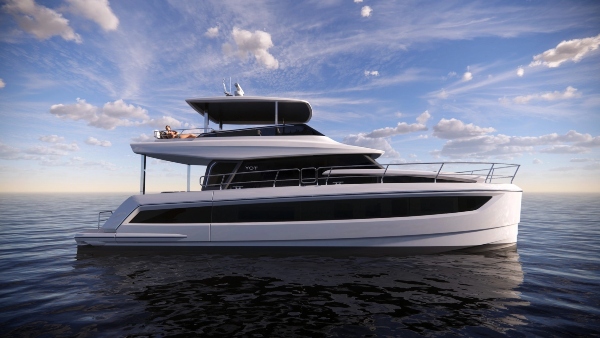
This is the main structure of the sailboat, giving it shape and allowing it to float. It is usually made from materials such as fiberglass, wood, or aluminum. Hulls are classified into different types based on their shape, such as monohulls and catamarans, which offer very different sailing experiences. While a monohull provides a more classic and dynamic feel, a catamaran offers stability and comfort, ideal for long voyages.
To keep the hull in good condition, it is important to perform regular inspections and clean the surface to prevent the accumulation of algae and other marine organisms.
Deck
The deck is the upper surface of the hull, where all the elements needed for sailing are located. Key components found here include the cleats, used to secure lines, the winches, which help tighten the sails, and the railings, which provide protection for the crew.
Deck maintenance includes checking fastening elements such as cleats and winches to ensure they are secure and in good condition. Additionally, regular cleaning of the deck helps prevent wear and reduces the risk of accidents due to slippery surfaces.
Keel
The keel is a fundamental piece that acts as a sailboat stabilizer, preventing capsizing and helping maintain course. There are various types of keels, such as fixed and retractable, and the choice depends on the type of navigation. Retractable keels are ideal for shallow waters, while fixed keels offer greater stability on the open sea. It is essential to inspect the keel and its mechanisms (for retractable keels) to ensure there are no signs of wear or damage.
Rudder
The rudder is responsible for steering the sailboat. It can come in different types, such as a tiller or a wheel, and its function is essential for maneuverability. A skilled helmsman knows how to use the rudder to harness the wind and maintain the desired course.
Besides mastering the rudder, it is important to check its operation regularly and lubricate the pivot points to prevent issues while sailing. A poorly maintained rudder can hinder maneuverability and compromise the safety of the journey.

Sails
Did you know that each sail has a different function? Let’s look at them in detail:
Mainsail
The mainsail is the primary sail of the sailboat and is attached to the mast. Its function is to catch the wind and convert that force into motion. Therefore, adjusting the mainsail correctly while sailing is essential to maximize the sailboat’s speed and performance.
The mainsail, like all other sails, should be inspected regularly for signs of wear or tears. Even the stitching and high-stress points should be reinforced if any damage is noticed, and it is recommended to store it in a dry place when not in use.
Genoa or jib
The genoa and jib are fore sails. The main difference between them lies in their size, with the genoa being larger. Both sails are essential for the maneuverability of the sailboat and are used in different wind conditions to optimize sailing.
It is important to ensure that the genoa or jib is properly stowed when not in use and to check the sheets and halyards used to handle them.
Spinnaker
The spinnaker is a large, colorful sail used when the wind comes from behind, allowing the sailboat to take full advantage of favorable conditions. It is especially useful for downwind passages, and its deployment is often a spectacular moment.
Due to its large size, the spinnaker requires careful handling. When storing it, ensure it is dry and properly folded to prevent fabric damage. Additionally, practicing its deployment and retrieval helps perform these maneuvers safely.
Mast and rigging
These two components are critical parts of a sailboat, used to handle and support the sails. Let’s see the function of each:
Mast
The mast is the vertical structure that supports the sails. It is generally made of aluminum or carbon fiber, depending on the type of sailboat and its performance. Carbon masts are lighter and stronger, ideal for high-performance vessels.
It is very important to inspect the mast and its supports to prevent accidents. Additionally, any cracks or deformations should be addressed immediately. It is recommended to check the standing rigging cables that hold the mast and replace them if signs of wear appear.
Boom
The boom is the horizontal spar that holds the bottom of the mainsail and allows it to be adjusted. It is a fundamental piece to keep the mainsail properly stretched and make the most of the wind.
The boom should also be inspected to avoid any failure in its joints or adjustment mechanisms. Ensuring the boom is in optimal condition contributes to safe and efficient sailing.
Standing rigging
The standing rigging consists of all the cables that hold the mast in place. This includes the shrouds, which keep the mast stable laterally, and the forestay and backstay, which secure it from both ends.
The standing rigging should be inspected regularly to detect any signs of wear or corrosion. A failure in any of these cables can compromise the mast’s stability and endanger the sailboat’s safety.
Running rigging
The running rigging includes all ropes and lines used to handle the sails, such as sheets, halyards, and tacks. These lines allow adjusting the sails according to wind conditions and the desired course.
One way to maintain the running rigging is to inspect the lines to prevent them from fraying and, if necessary, replace them. Additionally, lubricating the blocks and winches helps make handling the sails easier and more efficient.
Cabin and interior equipment
Inside the sailboat, we find the cabin, which includes spaces such as berths, the galley, and the bathroom. These areas are designed to provide comfort to the crew during the voyage. A well-designed cabin is essential to maximize space and ensure a pleasant onboard experience.
To keep the sailboat interior in good condition, it is important to ventilate the cabin regularly and check for signs of moisture or leaks. A dry and clean environment contributes to crew comfort and prevents long-term structural issues.

Safety equipment
Safety on board is paramount. Every sailboat should be equipped with life jackets, an emergency raft, fire extinguishers, and other basic safety items. While these devices are mandatory, they are also essential for ensuring crew safety in case of an emergency.
It is crucial to check safety equipment regularly, ensuring everything is in proper working order and accessible to the crew. Even practicing emergency drills can make a difference in critical situations.
Sailing has never been easier
The parts of a sailboat are a series of fundamental components that, working together, make it possible to enjoy the magic of sailing. At Motyvel we share that passion, offering not only boat rentals and sales but also guidance to help you find the vessel that best suits your needs.
If you want to learn more about our sailboats and the brands we offer, we invite you to explore our catalog or contact us for guidance in choosing your next boat. Sailing is a unique experience, and at Motyvel we are here to make it unforgettable.