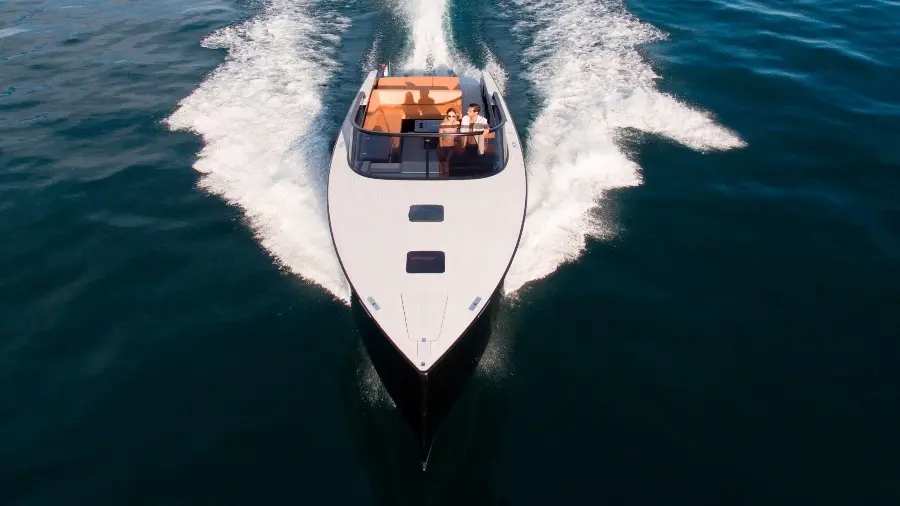
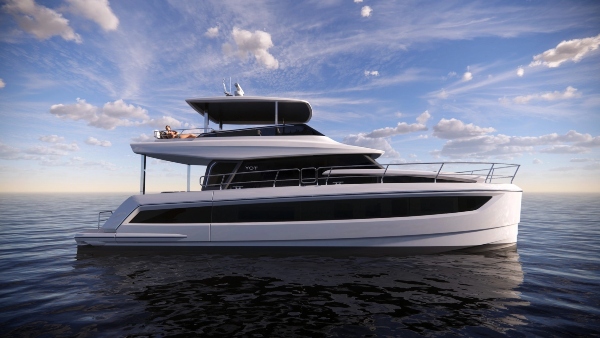
Palma de Mallorca has everything one could wish for. It is the perfect destination to escape to whenever the opportunity arises. Its cathedral, the Lonja, the Royal Palace of La Almudaina, and above all, the Port of Mallorca, are just some of the island’s incredible attractions. And for good reason. This historic landmark has served as the backdrop for famous regattas such as the Copa del Rey en Plasma, the Superyachts Cup, or the SAR Princesa Sofía, and has been a meeting point for sailors and sea lovers from all over the world for centuries.
From Motyvel, we delve into the history, details, and curiosities of what was (and still is) one of the most important ports in the Mediterranean Sea.
History of the Port of Mallorca
The Port of Palma de Mallorca is not just a simple point of arrival and departure for vessels. It is a silent witness to the island’s rich history, a place where cultures and civilizations have intertwined for centuries. Its evolution over time has been marked by major events that have left an indelible mark on the urban landscape and the identity of the city.
Origins and Antiquity
The origins of the port date back to the Roman period, when Palma, thanks to its privileged position, became an important commercial and naval hub. Its strategic location in the western Mediterranean favoured its development and turned it into a point of connection between the Roman world and other territories.
During the Middle Ages, the Port of Palma experienced renewed growth thanks to the Arab conquests and the subsequent Christian reconquest. The Arabs improved port infrastructure and boosted maritime trade. With the arrival of the Catalans in the 13th century, Palma became a major commercial port, connecting with the rest of the Mediterranean and beyond.
In the 19th century, the Port of Palma was modernised and expanded to meet the new needs of steam navigation and trade. New docks were built and port facilities were improved, turning it into one of the most important and modern ports in Spain.
The 20th century marked a turning point for the Port of Palma, which became an important tourist destination. The arrival of cruise ships and luxury yachts transformed its image and made it a benchmark in international nautical tourism.
The Future of the Port
In the 21st century, the Port of Palma continues to evolve and adapt to new challenges. There is a project to expand the West Dock by 110,000 square metres and to build a new perpendicular dock for oil tankers and vessels carrying hazardous goods.
Additionally, the shipyards will be relocated to a new area between the Castle of San Carlos and the Portopí Naval Base. In the Moll Vell, a marina for large yachts spanning 35,000 square metres will be created, and the pedestrian zone will be expanded, a renovation that will also benefit local residents. This modern project seeks to adapt to the port’s new needs and improve its functionality.
Architecture and Design of the Port of Mallorca
The Port of Palma de Mallorca can be described as a magnificent example of how architecture and design have evolved over the centuries to adapt to the changing needs of a city that has been an important maritime hub for millennia.
The design of the port is characterised by an interesting blend of styles and eras. The port is an authentic open-air museum, combining ancient Roman walls with modern glass buildings. What are some of its most notable architectural and urban features?
Arab Influence
Arab rule left a deep imprint on the Port of Mallorca, reflected in elements such as the cistern of La Lonja and the layout of certain streets. It can also be seen in other aspects of the port and the city, including architectural features that have endured through the centuries and the integration of construction techniques and materials typical of the Islamic period.
Gothic Style
One of the most outstanding examples is Palma Cathedral, known as La Seu, located near the port. This cathedral is a magnificent example of Catalan Gothic architecture and is distinguished by its tall walls, flying buttresses, and stained-glass windows that fill the interior with colourful, mystical light. Another significant Gothic building near the port is La Lonja de Palma, once the city’s commercial market. Built in the 15th century by architect Guillem Sagrera, it is an exceptional example of civil Gothic architecture.
Modernism
At the beginning of the 20th century, modernism made its presence felt in the port through buildings such as the Gran Hotel. Inaugurated in 1903, the building was designed by architect Lluís Domènech i Montaner, one of the leading figures of Catalan modernism. This impressive hotel is notable for its façade decorated with glazed ceramics, wrought iron, and sculptural reliefs, creating an elegant and refined ensemble.
Contemporary Architecture
In recent decades, new buildings with a modern and functional design have been constructed, such as the cruise terminal. Built with a focus on efficiency and passenger comfort, the terminal features a modern design that combines clean lines with large open spaces.
Another noteworthy example is the Palma Conference Centre, located near the port. Designed by architects Francisco Mangado and Patxi Mangado, this building is a prime example of contemporary architecture, with its glass façade and steel-and-concrete structure.
What Else Can We Enjoy at the Port of Mallorca?
The Port of Mallorca is not only a vital centre for maritime activity but also a vibrant tourist destination offering a wide range of attractions for visitors.
Tourist Spots
Near the port lies Palma’s old town, a maze of charming historic streets that reflect the city’s rich cultural heritage. Among its main attractions are Mallorca Cathedral, with its impressive Gothic architecture and panoramic views of the bay, and the Almudaina Palace, a fortress blending Islamic and Christian elements. In addition, the La Lonja district, famous for its nightlife and historic market, is an ideal place to explore the authentic spirit of Palma.
Nautical Activities
Boat trips, whether on luxury yachts or smaller vessels, offer spectacular views of the coastline and the Mediterranean Sea. For those who prefer to explore on foot, the port is surrounded by a wide range of restaurants and bars serving everything from traditional tapas to gourmet cuisine. There are also shops and boutiques offering local products and souvenirs.
Live Performances
Do you enjoy live music? Then you can attend concerts and music festivals, such as the Palma Jazz Festival, which often take place in the port’s open-air spaces. Local festivities, such as the celebrations of San Sebastián and the Spring Festival, also take place in this lively area, creating a festive atmosphere that captivates both residents and tourists.
Unforgettable Adventures
As you can see, Mallorca is the perfect destination to set sail on a nautical adventure and discover the Balearic Islands from a different perspective.
To turn your nautical dreams into reality, Motyvel Group can be your perfect partner. With more than 35 years of experience, we offer a wide range of yachts that will make your journeys an unmatched experience. Set sail on a tailored adventure and discover the true spirit of this magical land. With all this, we have more than enough reasons to visit the area in the coming months. Shall we set sail?